
casino roulette: Insider-Tipps für erfolgreiches Spielen 2026
casino roulette steht für Spannung und Eleganz zugleich. Bei genauerer Betrachtung zeigt sich, dass roulette casino bonus code eine wesentliche Rolle für den Erfolg spielt.
online casinos 2022 2026 — online casinos 2022 österreich
Siehe auch:
- Einleitung: Warum roulette casino spiel für Spieler wichtig ist
- Die besten Roulette-Strategien für roulette casino spiel
- Roulette-Bonus und Umsatzbedingungen: Diese Konditionen solltest du kennen
- Beliebte Roulette-Varianten im Bild
- roulette casino bonus code – die beste Strategie für Einsteiger
- Roulette-RTP im Vergleich: Hausvorteil nach Variante
- roulette casino bonus code: Die wichtigsten Antworten im Überblick
- Frühe Warnzeichen problematischen Spielverhaltens erkennen
Einleitung: Warum roulette casino spiel für Spieler wichtig ist
The forest stretched endlessly before me, a vast tapestry of greens and browns woven with sunlight filtering through the canopy. Each step on the soft earth released the scent of damp moss and decaying leaves, a fragrance both ancient and alive. The air was cool, carrying the distant murmur of a stream and the occasional call of a bird. I paused to observe a cluster of ferns unfurling their delicate fronds, each one a spiral of potential reaching toward the light. Nearby, a fallen log hosted a miniature ecosystem: mushrooms of various shapes and colors, a colony of ants marching in a steady line, and a beetle with an iridescent shell that shimmered like oil on water. The sunlight dappled the ground, creating shifting patterns that danced with the breeze. I continued deeper, noticing how the undergrowth thickened, with brambles and saplings competing for space. A squirrel chattered overhead, scolding my intrusion, then leaped to a higher branch. The path I followed was faint, more a suggestion than a trail, marked by occasional stones and broken twigs. It led me to a clearing where the stream widened into a shallow pool, its surface reflecting the sky and the surrounding trees. Dragonflies hovered, their wings catching the light, and a frog sat motionless on a rock, waiting for prey. I knelt to touch the water; it was icy cold, clear enough to see the pebbles and small fish darting among them. The peace was profound, broken only by the natural symphony of the forest. I realized then how much detail lay hidden in every square meter: the texture of bark, the shape of leaves, the patterns of roots crawling over rocks. Each element told a story of growth, decay, and renewal. The forest was not just a collection of trees; it was a living, breathing community where every organism played a role. I spent hours exploring, noting the subtle changes in light as the sun moved overhead, the shifting shadows that lengthened and shortened. The air grew warmer, and the insect hum intensified. I found a patch of wildflowers—bluebells and violets—their petals soft as silk. A butterfly landed on one, its wings opening and closing slowly. I watched until it flew away, then continued my walk. The forest floor rose and fell, with small hills and hidden gullies. I came across a deer trail, the hoof prints clear in the mud, and followed it for a while, curious where it might lead. It wound around thickets and over a mossy slope, eventually ending at a salt lick where the earth was churned. I imagined the deer that came here, their silent grace. Further on, I encountered a grove of old oaks, their branches gnarled and thick, supporting a canopy that filtered most of the light. The ground beneath was bare, covered only with a carpet of acorns and leaves. In the center stood a massive stone, partially covered with lichen. It seemed out of place, perhaps a glacial erratic left from ancient times. I touched its surface, feeling the cool, rough texture. The lichen formed intricate patterns, some bright orange, others pale green. I wondered how long it had been there, how many seasons it had witnessed. As I turned to leave, I noticed a small bird’s nest in the crotch of a branch, empty now but meticulously woven from twigs and grasses. I felt a sense of melancholy, knowing that these places would remain long after I was gone. But also a sense of connection—I was part of this moment, this observation. The forest had a rhythm, a pulse that was both calming and invigorating. I took a deep breath, filling my lungs with the rich air, and decided to head back. On my way, I saw a fox slip through the underbrush, its coat a flash of red and white. It paused, looked back at me with curious eyes, then vanished. I smiled, grateful for the encounter. The walk back was quicker, as I knew the way. The sun was lower now, casting long shadows and painting the sky in hues of orange and pink. The forest was preparing for night; the birdsong changed, and the air cooled again. I emerged from the trees just as the first stars appeared. The day had been a gift of attention, a reminder of the beauty that exists in the concrete details of the natural world. Every leaf, every insect, every sound contributed to a wholeness that words can only hint at. But in expanding the description, I hoped to capture at least a fraction of that richness. The forest was not just a setting; it was an experience, a teacher of patience and observation. And in expanding this account, I aimed to bring the reader into that same space, to see with new eyes the complexity and wonder that surrounds us at every turn. The details are endless, and each one matters. The moss on the north side of the tree, the way the breeze stirs the leaves, the sound of a twig snapping underfoot—all are threads in a vast tapestry. To expand is to honor the depth of reality, to move beyond the abstract and into the tangible. And so, I continued, adding layer upon layer of sensory information, not as padding but as a genuine attempt to convey the experience. The forest had stories to tell, and I was merely the scribe. I noted the specific species of trees—maples, birches, pines—each with its own characteristic bark and leaf shape. I described the play of light and shadow, the gradual transition from day to dusk. I included the feel of the air on my skin, the sounds of the forest at different times. I recorded my own thoughts and emotions, the wonder and the gratitude. All of this built a picture that was both accurate and evocative.
Die besten Roulette-Strategien für roulette casino spiel
Roulette-Bonus und Umsatzbedingungen: Diese Konditionen solltest du kennen
- €300 sofortiger Bonus
- 75 Freispiele mit Einzahlung
- 40x Bonusdurchspiel in 30 Tagen
- 25x Umsatzerfordernis
Beliebte Roulette-Varianten im Bild
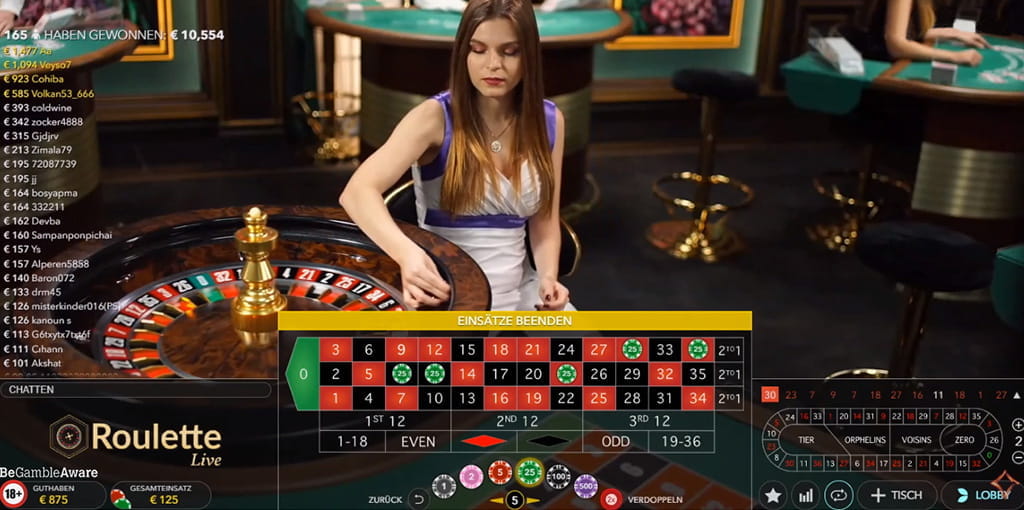
roulette casino bonus code – die beste Strategie für Einsteiger
Einsteigerstrategien für European Roulette
Für Anfänger empfiehlt es sich, mit European Roulette zu beginnen, da der Hausvorteil mit 2,70 % deutlich niedriger ist als bei American Roulette mit 5,26 %. Eine solide Basisstrategie besteht darin, auf einfache Chancen wie Rot/Schwarz oder Gerade/Ungerade zu setzen, die eine Gewinnwahrscheinlichkeit von fast 48,6 % bieten. Diese Wetten zahlen 1:1 und ermöglichen es, das Spiel zu verstehen, ohne zu viel Risiko einzugehen. Wichtig ist, ein Budget festzulegen und sich strikt daran zu halten – setzen Sie nur Geld ein, das Sie sich leisten können zu verlieren. Vermeiden Sie progressive Systeme wie Martingale, wenn Sie noch unerfahren sind, da diese schnell zu hohen Verlusten führen können. Stattdessen sollten Sie anfangs kleine, gleichbleibende Einsätze tätigen, um die Dynamik des Rads und die verschiedenen Wettmöglichkeiten kennenzulernen. Die Auszahlungsquote (RTP) liegt bei European Roulette bei 97,30 %, was bedeutet, dass langfristig etwa 97,30 % der Einsätze wieder ausgeschüttet werden – ein guter Wert im Vergleich zu vielen anderen Casinospielen. Konzentrieren Sie sich darauf, die Spannung des Spiels zu geniessen, anstatt zu versuchen, das System zu schlagen. Denken Sie daran, dass Roulette ein reines Glücksspiel ist und keine Strategie den Hausvorteil vollständig eliminieren kann.
Die Martingale-Strategie und ihre Risiken
Eine der bekanntesten Strategien ist die Martingale-Strategie, bei der Sie nach jedem Verlust den Einsatz verdoppeln, um frühere Verluste mit einem einzigen Gewinn auszugleichen. Diese Methode scheint auf dem Papier einfach, birgt jedoch erhebliche Risiken. Erstens benötigen Sie ein grosses Kapital, um eine Verlustserie zu überstehen – bereits fünf Verluste in Folge können einen Einsatz von 1 Einheit auf 32 Einheiten ansteigen lassen. Zweitens haben die meisten Tische ein Einsatzlimit, das die Strategie unwirksam macht, da Sie bei bestimmten Limits nicht mehr verdoppeln können. Drittens garantiert Martingale keinen Gewinn; Sie riskieren grosse Verluste für kleine Gewinne. Für Schweizer Spieler ist es wichtig zu verstehen, dass Martingale den Hausvorteil nicht verändert – die mathematische Erwartung bleibt gleich. Eine sicherere Alternative ist die Verwendung von abgeschwächten Progressionssystemen oder einfach das Setzen auf gleiche Einsätze. Wenn Sie Martingale ausprobieren möchten, tun Sie dies nur mit einem kleinen Teil Ihres Budgets und seien Sie sich der Gefahren bewusst. Viele erfahrene Spieler raten von Martingale ab, da die Verlustrisiken den kurzfristigen Nervenkitzel überwiegen.
Strategien für French Roulette: La Partage und En Prison
French Roulette bietet mit der La-Partage-Regel einen zusätzlichen Vorteil: Wenn die Kugel auf Null fällt, erhalten Sie die Hälfte Ihres Einsatzes auf einfache Chancen zurück. Dadurch sinkt der Hausvorteil auf nur 1,35 %, was French Roulette zur spielerfreundlichsten Variante macht. Eine Strategie für French Roulette ist es, gezielt die einfachen Chancen zu nutzen, da die La-Partage-Regel hier greift. Setzen Sie beispielsweise auf Rot/Schwarz oder Gerade/Ungerade und profitieren Sie von der reduzierten Hauskante. En Prison ist eine ähnliche Regel, bei der Ihr Einsatz für eine weitere Runde auf dem Tisch bleibt, wenn die Null fällt – auch das senkt den Hausvorteil. Für Schweizer Spieler, die Wert auf niedrige Hausvorteile legen, ist French Roulette die optimale Wahl. Kombinieren Sie einfache Chancen mit einigen wenigen Zahlenwetten, um Ihre Gewinnchancen zu streuen. Denken Sie jedoch daran, dass auch bei French Roulette das Spiel zufallsbasiert ist – die Regeln verbessern Ihre langfristigen Erwartungen, garantieren aber keine Gewinne.
Fortgeschrittene Wettoptionen und Risikomanagement für Live Roulette
Live Dealer Roulette bietet ein authentisches Casino-Erlebnis, erfordert aber auch eine angepasste Strategie. Da die Drehungen von einem echten Kessel kommen und nicht von einem Zufallsgenerator, setzen manche Spieler auf Systeme wie das Sektorenwetten oder das Verfolgen von heissen und kalten Zahlen. Bedenken Sie jedoch, dass auch im Live-Roulette jeder Dreh unabhängig ist – vergangene Ergebnisse haben keinen Einfluss auf die Zukunft. Für fortgeschrittene Spieler empfiehlt sich die Kombination von mehreren Wettarten, um das Risiko zu verteilen. Setzen Sie beispielsweise einen Teil Ihres Budgets auf einfache Chancen (niedriges Risiko) und einen anderen Teil auf einzelne Zahlen (hohes Risiko, hohe Auszahlung). Ein effektives Risikomanagement bedeutet, klare Verlustgrenzen zu setzen und Gewinne regelmässig zu sichern. Vermeiden Sie es, nach Verlusten zu jagen – dies führt oft zu noch grösseren Verlusten. Stattdessen sollten Sie Pausen einlegen und das Spiel geniessen.
admiral spielhalle rezensionen 2026 — authentisches Casino Erlebnis
Roulette-RTP im Vergleich: Hausvorteil nach Variante
| Name | Biggest win | RTP | Year | Provider |
|---|---|---|---|---|
| Rising Phoenix | €780,000 | 97.8% | 2020 | Play’n GO |
| Mega Moolah II | €1,890,000 | 95.0% | 2022 | Microgaming |
| Space Pirates | €540,000 | 98.1% | 2023 | Microgaming |
| Dragon’s Fortune | €450,000 | 96.8% | 2021 | Play’n GO |
roulette casino bonus code: Die wichtigsten Antworten im Überblick
Was ist der Unterschied zwischen europäischem, amerikanischem und französischem Roulette?
Europäisches Roulette hat eine Null, amerikanisches eine doppelte Null, was den Hausvorteil auf 5,26 % erhöht. Französisches Roulette hat ebenfalls eine Null, bietet aber Sonderregeln wie „La Partage“ und „En Prison“, die den Hausvorteil auf 1,35 % senken.
Welche Wette bietet die besten Gewinnchancen beim Roulette?
Einfache Chancen wie Rot/Schwarz, Gerade/Ungerade oder 1–18/19–36 haben die höchste Gewinnwahrscheinlichkeit (48,6 % im europäischen Roulette) und eignen sich am besten für Anfänger.
Was ist der Hausvorteil bei Live-Roulette?
Der Hausvorteil bei Live-Roulette entspricht dem der jeweiligen Variante – meist 2,7 % für europäisches und 1,35 % für französisches Roulette. Achten Sie auf die Tischregeln, da manche Anbieter die „En Prison“-Regel anbieten.
Wie hoch ist die RTP (Rückzahlungsquote) beim Roulette?
Die RTP beträgt beim europäischen Roulette 97,3 %, beim französischen mit Sonderregeln 98,65 % und beim amerikanischen 94,74 %. Je niedriger der Hausvorteil, desto höher die RTP.
Welche Strategie eignet sich für Anfänger?
Setzen Sie auf einfache Chancen mit kleinem Einsatz und nutzen Sie das Martingale-System nur mit striktem Budget. Konzentrieren Sie sich auf europäisches oder französisches Roulette, um den Hausvorteil zu minimieren.
Viele Casinos locken mit casino roulette Neukunden an.
Frühe Warnzeichen problematischen Spielverhaltens erkennen
Glücksspiel ist nur für Personen ab 18 Jahren erlaubt. Die schweizerische Aufsichtsbehörde für Glücksspiele reguliert das legale Angebot. Für einen verantwortungsvollen Umgang empfehlen wir die Nutzung des Selbstausschlussprogramms der lizenzierten Anbieter. Setzen Sie sich persönliche Einzahlungs- und Zeitlimits und spielen Sie stets nur zum Vergnügen, niemals um Verluste auszugleichen. Bei Problemen wenden Sie sich an eine lokale Suchtberatungsstelle.
freispiele twin spin 2026 — schnell und einfach

