In Michigan’s closely watched Senate race, Abdul El-Sayed is betting that health care is not just a policy issue but a political one. The Democratic nominee has been pressing a message about coverage, medical bills, and paid leave while also taking an unusually combative approach to his Republican opponent and to President Donald Trump’s political orbit.
That combination has made him one of the most visible Democrats in the country’s midterm debate. It has also turned the Michigan contest into a test of whether a forceful argument about health care can still cut through a noisy election season shaped by identity politics, partisan attacks, and anxiety over the cost of living.
What happened
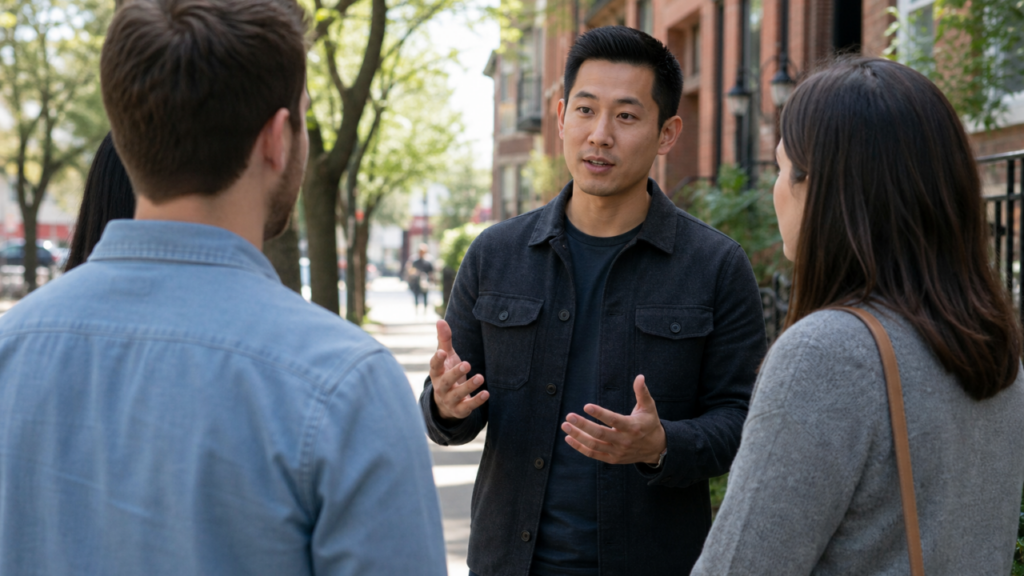
At a recent town hall in Port Huron, El-Sayed heard from a woman describing how emergency brain surgery had drained her savings. He responded sympathetically and used the moment to underscore his broader campaign theme: that medical crises should not push families into financial ruin. The AP reported that he was outlining proposals for guaranteed health care and paid leave while making the case that the system itself needs to change.
Later, in a more pointed exchange with reporters, El-Sayed sharpened his tone against Rogers and Trump. That contrast captured the split image of his candidacy: part policy pitch, part confrontation. AP described him as a former public health official who has shown little interest in softening his message, even as he faces a well-funded Republican effort to portray him as extreme.
Why the race matters for health policy
Health care has long been one of the most resonant issues in U.S. elections because it touches nearly every household at some point. A campaign built around guaranteed coverage, paid leave, and the burden of medical bills is especially relevant in a state like Michigan, where people are familiar with the financial shock that can follow a serious diagnosis, an accident, or a long hospitalization.
El-Sayed’s campaign is also notable because of his professional background. Before running for office, he worked in public health. That matters not because it automatically makes him right on policy, but because it gives him a different lens on prevention, access, and the social factors that shape health outcomes. His campaign frames those issues as a matter of fairness and economic security rather than as a narrow health insurance debate.
For readers trying to understand the broader stakes, the race offers a reminder that health policy is often decided indirectly. Senate contests help shape what legislation can move, how public programs are defended or altered, and whether proposals aimed at coverage expansion or worker protections can gain traction.
What the evidence actually shows
The AP story is a campaign report, not a clinical study. It does not prove that any specific proposal will improve health outcomes, and it does not establish that El-Sayed’s approach will be more effective than his opponent’s. What it does show is that health care remains powerful political language because many people have personal experience with delayed treatment, surprise bills, or insurance gaps.
There is also a practical policy reason these debates endure. When people cannot afford care, they are more likely to postpone treatment, which can worsen health and increase costs later. That is a general public health concern rather than a prediction about any one voter or state. The story’s focus on emergency surgery and out-of-pocket strain fits that broader reality.
It is also worth separating campaign rhetoric from evidence. Claims about “guaranteed” care, or about what the federal government should provide, involve tradeoffs in cost, administration, and coverage design. Those decisions are political and economic as much as medical.
What remains uncertain
Several things remain unresolved. Voters have not yet decided whether they want a more confrontational messenger or a more temperate one. It is also not clear whether a health-focused message will outrun broader partisan and cultural dynamics in a race that has drawn national attention.
The campaign’s tone matters too. El-Sayed’s supporters see his bluntness as proof that he is willing to challenge entrenched power. Critics argue that the same style could alienate swing voters or complicate efforts to build a durable coalition. That is a political judgment, not a medical one, but it affects whether health care issues become the deciding factor or get buried under the noise of the race.
One additional layer is the broader environment around Muslim political candidates. AP has reported that El-Sayed’s candidacy has drawn anti-Muslim attacks, making his campaign part of a larger national conversation about identity, acceptance, and public life. Those attacks do not change the health policy questions at the center of his platform, but they do shape how the campaign is being fought.
What readers can take away
For the general public, this race is a reminder that health policy is never just about hospitals and insurance cards. It is also about how candidates talk about dignity, work, family finances, and the role of government in everyday life. A single campaign cannot answer every question about cost, access, or coverage, but it can put those issues back in the center of a national debate.
If you are following the election for health reasons, the most useful thing to watch is not the rhetoric alone but whether candidates spell out how they would pay for changes, who would benefit, and what tradeoffs they are willing to accept. Those details matter more than slogans.
And if you are dealing with a medical emergency or a rapidly worsening symptom, do not wait for an election or a policy change to seek care. Public debate can shape the system, but it cannot replace urgent treatment when it is needed.
Sources
- AP News: Republicans want Abdul El-Sayed to be the main character of the midterms. He's happy to oblige (2026-10-11)
- AP News: A bitter Michigan Senate race rattles Jewish and Muslim voters already on edge over the war in Gaza (2026-10-17)
- AP News: Kamala Harris says midterms could be 'stopgap' on Trump and urges Dem unity for El-Sayed in Michigan (2026-09-22)
Was this article helpful?
Thanks for your feedback — it helps us improve our coverage.
Get the Daily Health View briefing
The day's most important health news, explained clearly. One short email a day. Unsubscribe anytime.
