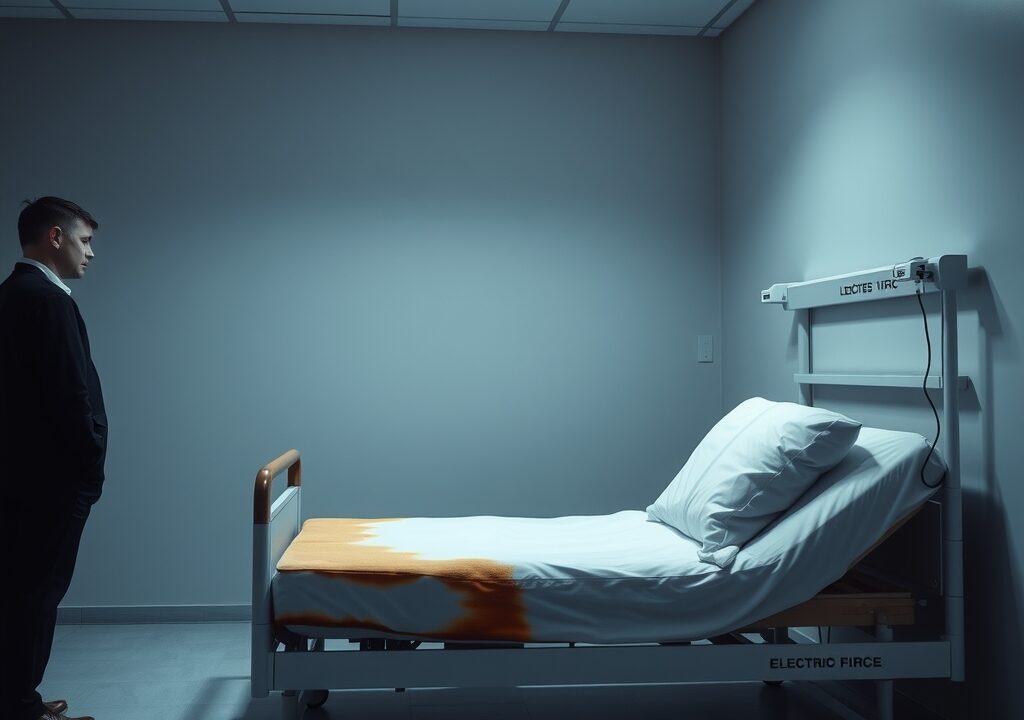
The Food and Drug Administration is warning that certain Medline electric beds and related accessories may overheat and create a fire hazard. The agency says the company has reported two deaths and 16 serious injuries tied to the issue as of October 20, 2026.
The warning applies to multiple Medline-brand beds, pendants, accessories, replacement parts, and bed-containing order packages. The FDA says the affected products may need to be removed, repaired, replaced, or used only under updated safety instructions while the company works through the field action.
What the FDA says happened
According to the FDA, Medline identified a potential fire hazard involving beds, hand-control pendants, control or motor boxes, and actuators or motors. In some situations, the electrical components may overheat. The agency says that overheating can progress to smoking, sparking, melting, burning, and fire.
The FDA says several conditions can raise risk, including excessive system loading, jammed parts or motors, fluid entering the pendant, using extension cords, or using non-Medline or unapproved pendants and accessories. The agency also says there may be a separate risk of entrapment or asphyxiation when beds are used with certain accessories, loose rails, or a pendant that is laid on by the user.
Why this matters for patients and caregivers
Electric hospital beds and homecare beds are designed to make positioning easier and to support mobility, rest, and care routines. When a bed’s electrical system fails, the consequences can be serious because the device is used close to someone who may have limited ability to move quickly or respond to smoke, heat, or electrical problems.
The FDA’s early alert is especially important because the products are used in a range of settings, including hospitals, long-term care facilities, and the home. The practical issue is not only whether a bed should be used at all, but also whether the correct accessory, pendant, or power setup is being used and whether the device has signs of malfunction.
What the evidence actually shows
This is a device safety warning, not a clinical study. The FDA is relying on manufacturer reports, post-market surveillance, and adverse event reports rather than on a trial that can estimate risk in a controlled way. That means the warning is real and important, but it does not prove how often the hazard occurs across all users or settings.
Still, the reported pattern is concerning. The agency says Medline has reported fire-related events and that, as of October 20, 2026, there were two deaths and 16 serious injuries associated with the issues under review. The FDA also says that some customers have reported pendants burning, overheating, melting, sparking, or catching fire. Those are the kinds of reports that can trigger a high-priority medical device alert.
How the update changes use
In its updated instructions, the FDA says affected Medline-brand beds should be unplugged from wall power when not actively being adjusted. The agency also says users should avoid extension cords and should have a second person available when possible during repositioning or movement. Medline says some customers may be eligible for repair, while others may receive replacement or a refund, depending on the product and the company’s review.
The FDA’s earlier homecare-bed correction also advised affected users to keep to the specified weight limit, make sure bed components are not jammed, hang the pendant on the headboard or footboard when it is not in use, and unplug the bed if the pendant gets hot, the wiring is damaged, or smoke or sparking occurs.
What remains uncertain
Several questions are still open. The FDA alert does not explain exactly how many units are affected in total, how many of the reported incidents involved home use versus facility use, or whether the two deaths were caused by fire, entrapment, or another mechanism tied to the recall. The agency also has not provided a population-based estimate of risk.
That uncertainty matters because a safety alert can identify a serious hazard without giving a precise chance of harm for any one bed. Even so, the combination of fire risk, possible entrapment risk, and reports of severe injuries means the warning should be taken seriously.
What patients, families, and facilities can do
For anyone responsible for a Medline electric bed, the first step is to check whether the product is included in the FDA alert or in Medline’s related correction and recall notices. If the bed is affected, follow the company’s updated instructions and do not improvise with parts or accessories that were not designed for the device.
Caregivers and families should watch for warning signs such as heat from the pendant, damaged cords, a jammed bed mechanism, smoke, sparking, or unusual resistance when the bed is moving. If any of those occur, the bed should be unplugged and service should be requested. If there is active smoke, fire, electrical shock, or any immediate danger, call emergency services right away.
For hospitals, nursing homes, and home health teams, this is also a reminder to review inventory lists, maintenance logs, and accessory compatibility. Beds and accessories that look interchangeable may not be safe together. Facilities should make sure staff know which pendants, rails, and power setups are approved for each bed model.
For families using a bed at home, the key message is not to assume that a bed is safe simply because it still works. A device can function normally for a while and still have a hidden electrical problem. If you are unsure whether a Medline bed in the home is affected, contact the supplier or the manufacturer and do not wait for a visible problem before asking.
This warning is about a specific device issue, but the broader lesson is familiar: medical equipment used at home needs the same attention to maintenance, compatibility, and recall notices as equipment used in a facility. When a bed becomes a fire or entrapment hazard, early action can prevent a tragedy.
Medical note: This article is for general information and is not a substitute for advice from a clinician, facility engineer, or the device manufacturer. If someone may be injured by smoke, burns, shock, or asphyxiation, seek urgent help immediately.
Sources
- CBS News: Medline electric beds pose fire hazard after 2 deaths, FDA warns (2026-10-30)
- CBS News: Medline electric beds pose fire hazard after 2 deaths, FDA warns (2026-10-30)
- U.S. Food and Drug Administration: Early Alert: Medline Removes or Corrects All Medline Brand Beds and Accessories (2026-10-29)
- U.S. Food and Drug Administration: Electronic Homecare Bed Correction: Medline Updates Use Instructions for Homecare Beds (2026-02-13)
- U.S. Food and Drug Administration: Medical Device Recalls and Early Alerts (2026-10-29)

Was this article helpful?
Thanks for your feedback — it helps us improve our coverage.
Get the Daily Health View briefing
The day's most important health news, explained clearly. One short email a day. Unsubscribe anytime.
