What the study looked at
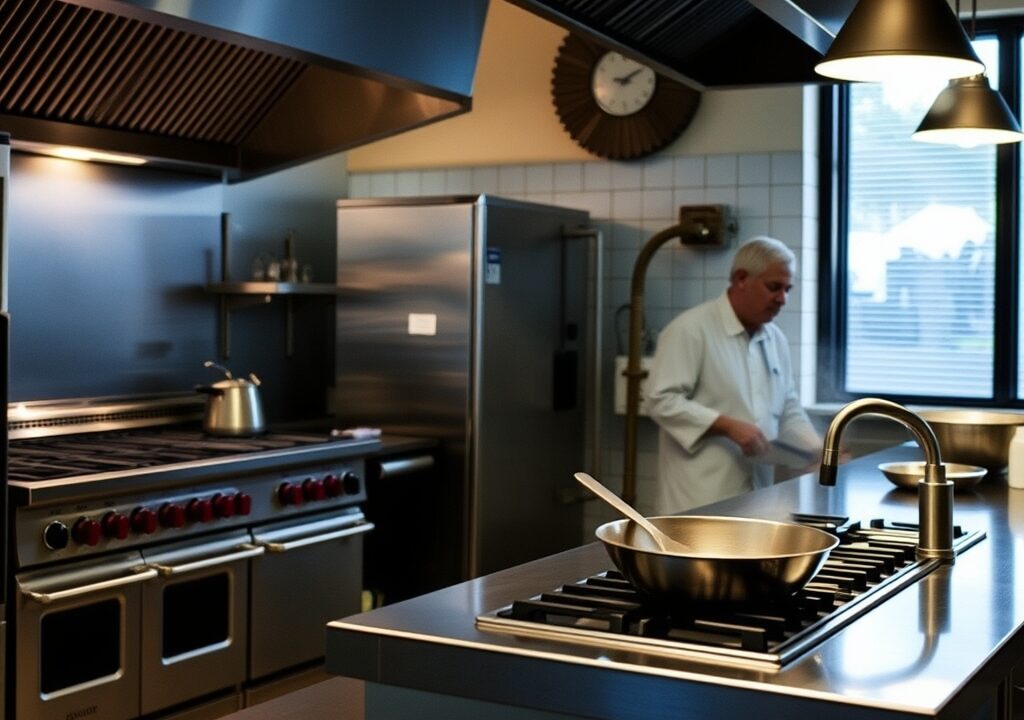
The Washington Post reported that the researchers examined 27 commercial kitchens across three states, including different layouts, ventilation systems, cuisines and service levels. According to the report, the team measured nitrogen dioxide, methane, carbon dioxide, carbon monoxide, benzene and temperature in multiple kitchen zones. The article said the study found that kitchens with gas appliances had much higher pollutant levels and higher temperatures than fully electric kitchens. Washington Post
One of the clearest findings described in the reporting was that roughly 70% of gas or propane kitchens in the sample had nitrogen dioxide levels above the Environmental Protection Agency’s one-hour outdoor air quality standard during working hours. The Post also reported that more than half of the gas kitchens studied were above 90 degrees Fahrenheit, and some reached temperatures over 122 degrees. Fully electric kitchens in the study were described as cooler and cleaner. Washington Post
Why the findings matter
For kitchen staff, the practical concern is not just one spike in pollution during cooking. Restaurant work often involves repeated exposure across long shifts, and the study described gas appliance emissions that continued even when kitchens were not actively cooking because pilot lights remained on. The reporting said that pollution could build overnight and into the morning before ventilation was turned on. Washington Post
That pattern is consistent with older research. A study of Swedish restaurant kitchen workers found that personal exposure to dust and other air pollutants varied by kitchen type, and that gas stoves were linked with higher nitrogen dioxide exposure in some kitchens. In Chinese restaurant workers, a study found higher concentrations of several pollutants in gas-fueled kitchens and reported worse lung function and more respiratory symptoms compared with electric kitchens. Swedish restaurant kitchen workers Chinese restaurant kitchen workers
NIH’s air pollution materials also note that indoor air pollution can affect the respiratory and cardiovascular systems, and that indoor sources include cooking and gas appliances if they are not properly vented. NIEHS similarly says gas stoves and heating units can contribute nitrogen dioxide indoors and that indoor pollutants have been associated with impaired health and performance in children and adults. NIH Air Pollution NIEHS Indoor Air Quality
What the evidence does and does not show
The study described by The Washington Post appears to be an exposure study, not a health-outcomes trial. That means it can show what workers were breathing and how hot the kitchens became, but it cannot establish that gas kitchens directly caused disease in the workers measured. It also sampled a relatively small number of kitchens, so the results should be read as an important signal rather than a final verdict on all commercial kitchens. Washington Post
Still, the broader scientific picture is consistent. PubMed-indexed research shows that gas combustion indoors can generate nitrogen oxides, carbon monoxide and fine particles, and that poorly ventilated cooking spaces can produce concentrations high enough to raise concern. A recent systematic review of gas appliances concluded that these devices emit multiple toxic air contaminants through combustion and leakage, with evidence strongest for benzene and formaldehyde and a need for better monitoring of commercial appliances. Gas and electric cooking emissions Systematic review of gas appliance emissions
Earlier research has also linked indoor nitrogen dioxide from gas appliances with respiratory effects. In one study of professional cooks, gas stove exposure was associated with small but statistically significant lung function changes. Another review of human and experimental studies on nitrogen dioxide found respiratory health effects at levels relevant to indoor exposure. Indoor NO2 and lung function in cooks Nitrogen dioxide health effects review
What remains uncertain
Several questions remain open. The best ways to reduce exposures in real-world restaurant kitchens may depend on the layout of the room, the type and placement of the hood system, how long burners stay on, and whether fresh air is brought in effectively. The study summary reported by The Washington Post suggested that ventilation can help, but also that simply relying on hoods may not solve the problem if the source of combustion remains. Washington Post
It is also not yet clear how often commercial kitchens across the country would show the same pattern. The study covered 27 kitchens across three states, which is useful but not nationally comprehensive. Different cuisines, workloads, building systems and appliance mixes could change exposure levels substantially. That uncertainty is one reason experts often call for repeated measurements in real workplaces rather than assuming one short inspection reflects every shift. Swedish restaurant kitchen workers Commercial kitchen emissions study
Practical context for workers and employers
This research points more toward workplace design than personal behavior. For employers, the main takeaways are to make sure kitchen ventilation is actually used, maintained and appropriately sized for the cooking load; to consider whether electric or induction equipment can replace some gas appliances; and to monitor hot spots where workers stand directly in front of burners. The Washington Post reported that one researcher suggested turning on ventilation at the start of the day, even before cooking begins, because pilot lights can keep emitting pollutants overnight. Washington Post
For workers, symptoms such as persistent cough, wheeze, chest tightness or shortness of breath should not be ignored, especially if they seem worse at work and improve away from the kitchen. Those symptoms are not specific to pollution, but they can signal asthma or another respiratory problem worth discussing with a clinician. NIH notes that air pollution can worsen respiratory disease, and MedlinePlus says people often feel better after removing the pollution source, though medical evaluation may be needed if symptoms persist. NIH Air Pollution MedlinePlus Indoor Air Pollution
For the general public, the story is a reminder that indoor air quality is not just a home issue. Cooking fuels, ventilation, heat and building design can all shape exposure in workplaces where people spend many hours each day. In commercial kitchens, the evidence increasingly suggests that combustion-free equipment and better ventilation may be the most effective long-term ways to reduce risk. NIEHS Air Pollution Systematic review of gas appliance emissions
Sources
- The Washington Post: Why restaurant kitchens pose hidden dangers for chefs and other workers (2026-10-10)
- PubMed: Toxic Air Contaminant Emissions from Residential and Commercial Fossil Gas Appliances: A Systematic Review (2026-09-16)
- PubMed: Commercial kitchen operations produce a diverse range of gas-phase reactive nitrogen species (2025-08-01)
- PubMed: Respiratory health and lung function in Chinese restaurant kitchen workers (2011-10-01)
- PubMed: Exposure to Particles, Polycyclic Aromatic Hydrocarbons, and Nitrogen Dioxide in Swedish Restaurant Kitchen Workers (2017-01-01)
- NIH: Air Pollution | Health (2026-10-10)
- NIEHS: Indoor Air Quality (2026-10-08)
- MedlinePlus: Indoor Air Pollution (2026-10-10)
