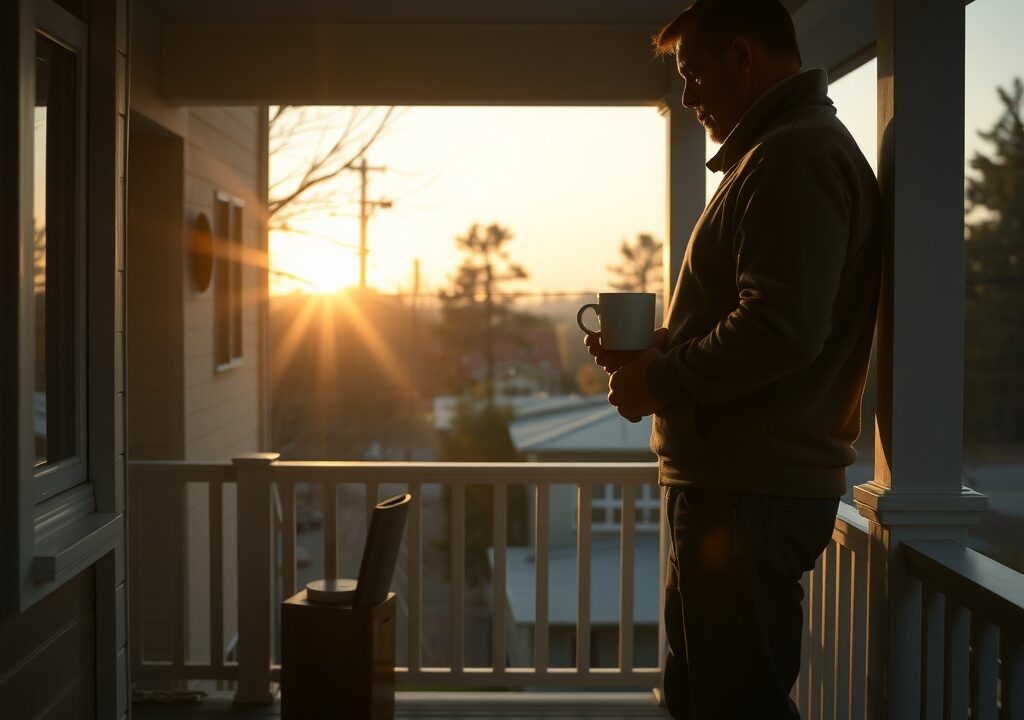
Daylight saving time ends on Sunday, Nov. 1, 2026, and most Americans will set clocks back one hour overnight. The change gives many people an extra hour in bed, but it also shifts daylight later into the morning and leaves afternoons darker sooner.
Sleep specialists and public health agencies have long noted that even a one-hour shift can temporarily disrupt sleep timing and alertness. The issue is not just the number on the clock. It is the change in light exposure, especially for people who need to wake up before sunrise or who already struggle to keep a regular sleep schedule.
What changes when the clocks go back
The fall transition moves the country from daylight saving time to standard time. In practical terms, that means sunrise and sunset appear to happen an hour earlier by the clock. The body does not instantly reset to the new schedule, though work, school and family routines usually stay the same.
That mismatch matters because the brain uses light and darkness to help regulate the circadian rhythm, the body’s roughly 24-hour internal timing system. National Institutes of Health materials describe this rhythm as a master clock in the brain that helps determine when people feel sleepy or alert, and the National Institute for Occupational Safety and Health notes that morning light and evening light push that timing in different directions.
AP’s health reporting on the time change says brighter mornings and less light at night are important for keeping the clock on track. It also notes that the fall shift may feel easier for some people than the spring switch, when an hour of sleep is lost.
Why it matters for sleep and alertness
Short-term sleep disruption can show up as grogginess, trouble falling asleep at the usual time, or waking earlier than expected. For some people, the effect is mild. For others, especially those with already irregular schedules, the shift can be more noticeable.
CDC sleep guidance says changes in light and time can influence the circadian system and disrupt sleep. The agency’s NIOSH bulletin on daylight saving time also says the abrupt shift in darker mornings and later evening light may have negative health and safety effects, including shortened sleep duration and mood changes.
That does not mean the clock change causes serious problems for everyone. But it does help explain why a small time shift can have outsize effects in the days around the transition. The body is sensitive to timing cues, and the schedule people keep in real life does not move with the sun.
What the evidence actually shows
Several sources point in the same general direction: light timing affects sleep timing. NHLBI explains that light, darkness and other environmental cues help determine wakefulness and drowsiness. NIOSH says evening light tends to delay the body clock, while morning light tends to move it earlier. AP’s reporting similarly notes that morning light helps synchronize the internal clock.
Researchers have also looked at whether daylight saving time is linked to broader health or safety effects. A CDC NIOSH bulletin cites studies associating the spring transition with more traffic crashes and a rise in heart attacks. That evidence is often discussed as an association rather than proof of direct causation, because many factors can influence those outcomes at the same time.
A recent PubMed-indexed review found that the epidemiologic literature on daylight saving time and health still leaves limits in what can be concluded. The review said the available studies are too limited to draw clear conclusions for some sleep and circadian outcomes. In other words, there is enough evidence to support concern about sleep disruption, but not enough to reduce every health question to a simple yes-or-no answer.
What remains uncertain
There is broad agreement that light affects the sleep-wake cycle. What is less certain is how much of the day-to-day impact of the clock change depends on the season, a person’s regular schedule, prior sleep debt, or other factors such as shift work and travel.
It is also not possible to predict exactly who will feel the fall transition most strongly. Some people adapt quickly. Others may need several days. A person’s usual wake time, exposure to morning sunlight, evening screen use and total sleep habits all shape how disruptive the change feels.
There is ongoing debate about whether the U.S. should keep daylight saving time, standard time, or the current twice-yearly system. AP’s reporting notes that standard time year-round has long been favored by some health groups because it better matches sunlight and circadian biology, but lawmakers have not settled the issue.
What can help during the transition
Experts often suggest easing into the change rather than waiting for it to hit all at once. AP reports that shifting bedtime by as little as 15 minutes a night in the days before the switch can help. That gradual approach may make the clock change less abrupt for the body.
Morning light is another common recommendation. AP says getting outside for morning sun can help the body clock reset more quickly. If going outdoors is not practical, sitting by a window may help. NIOSH also notes that bright light during the middle of the day can improve daytime alertness and sleep at bedtime.
Other basics still matter: keep a consistent wake time if possible, avoid piling on extra late-night screen time, and be mindful that caffeine late in the day can make it harder to fall asleep. Those are general sleep habits, not special fixes for the time change, but they can reduce the strain of the transition.
When to pay closer attention
Most people only need to treat the fall clock change as a temporary adjustment. But if sleep problems linger, or if daytime sleepiness becomes severe enough to affect driving, work, school or mood, it is worth discussing with a clinician. Persistent insomnia, loud snoring, breathing pauses during sleep, or repeated waking are not just time-change issues and may point to a sleep disorder that deserves evaluation.
For the average household, the key takeaway is simple: the time change is small on paper, but the body notices light and schedule changes. A little preparation can make the first few days easier, especially for people who already run on a tight sleep schedule.
Sources
- Associated Press: How daylight saving time changes affect you and what you can do about it (2026-10-26)
- Associated Press: How daylight saving time changes affect you and what you can do about it (2026-10-26)
- CDC NIOSH: Here Comes the Sun! Tips to Adapt to Daylight Saving Time (2022-03-09)
- NIH NHLBI: How Sleep Works – Your Sleep/Wake Cycle (2021-06-01)
- CDC NIOSH: Effects of Light on Circadian Rhythms (2020-03-31)
- PubMed: A systematic review of epidemiological studies into daylight-saving time & health identifying beneficial & adverse effects (2026-01-01)

Was this article helpful?
Thanks for your feedback — it helps us improve our coverage.
Get the Daily Health View briefing
The day's most important health news, explained clearly. One short email a day. Unsubscribe anytime.
