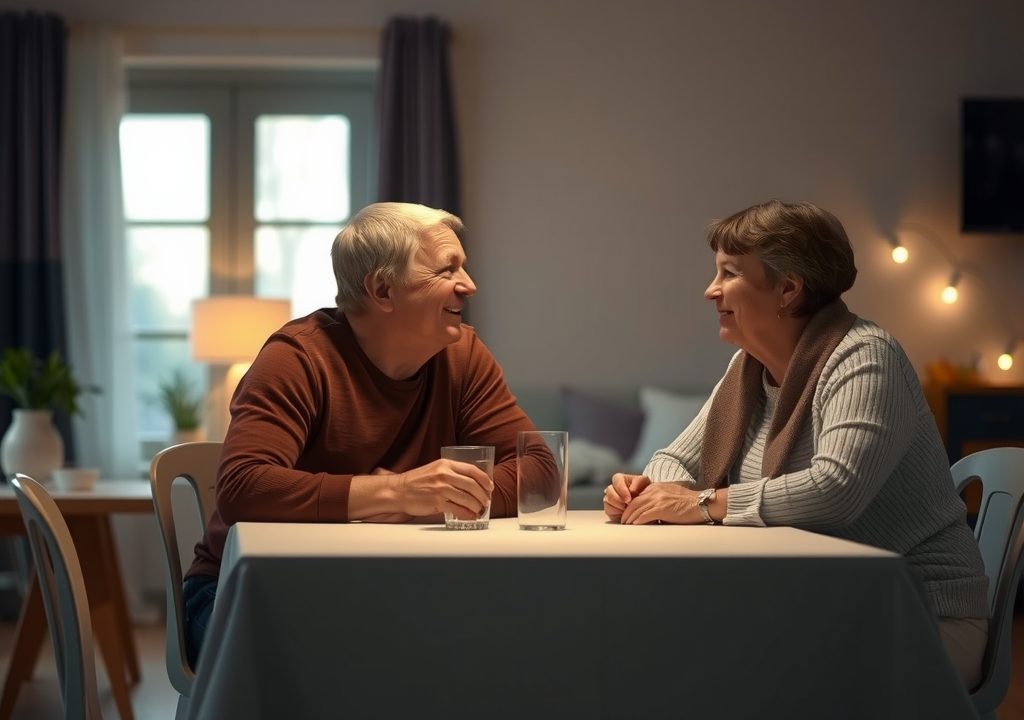
Holiday meals and family get-togethers can be joyful, but they can also be surprisingly hard to navigate when conversations overlap, music is playing, and several people are talking at once. For people with hearing loss, that kind of setting can make it difficult to follow the thread of a conversation and can leave them feeling worn out long before the evening ends.
A recent Washington Post service piece focused on practical ways hosts, relatives, and coworkers can make those gatherings more comfortable. The advice is simple, but it reflects a basic reality supported by hearing-health experts: listening in noisy group settings takes extra effort, and the right environment and communication habits can reduce that burden. National Institute on Deafness and Other Communication Disorders guidance also notes that background noise, distance, and poor visibility can make speech much harder to understand. 1
What the reporting highlights
The Washington Post article centers on everyday changes, not medical treatment. Among the main ideas: do not assume that speaking louder will solve the problem, slow down when you talk, and check in ahead of time about what the person who has hearing loss finds helpful. The piece also points out that room choice matters. Hard surfaces, high ceilings, and echo-prone spaces can make speech harder to sort out, while softer furnishings and a quieter layout can improve the listening environment.
Those practical suggestions line up with broader hearing-health guidance. The National Institute on Aging advises reducing background noise when possible and making sure people with hearing loss are included in group conversations. The National Institute on Deafness and Other Communication Disorders also emphasizes that people can struggle most in restaurants, social events, and other noisy places where speech competes with other sound. 2,3
Why it matters
Hearing loss is not only about volume. In a crowded room, the problem is often clarity. A person may hear sound but still have trouble separating one voice from another, especially if multiple people are talking at the same time or if they cannot see the speaker’s face. That can make conversations harder to follow even when hearing aids are being used.
The NIDCD notes that hearing aids can help, but they do not restore normal hearing. In other words, good devices do not eliminate the communication challenge posed by a noisy social setting. That is one reason communication strategies matter so much. Slowing down, facing the listener, and reducing competing noise can be more useful than simply increasing the volume of a conversation. 3
The issue also reaches beyond one person’s comfort. When someone cannot easily follow what is being said, they may withdraw, miss jokes or transitions, or spend a lot of energy trying to keep up. Over time, that can make social events feel more tiring than festive. For hosts, a few adjustments can help keep the gathering inclusive without turning it into a formal accessibility project.
What the evidence actually shows
The strongest evidence here is not about holiday parties specifically. It comes from hearing-health guidance and research showing that speech understanding gets harder as noise increases. The NIDCD explains that noisy environments and certain listening conditions can make speech sound muffled or less distinct. It also recommends practical steps such as reducing background noise and making communication more visible and predictable. 3,4
There is also general consensus across hearing-health organizations that group conversation is one of the hardest listening situations for people with hearing loss. That does not mean every person experiences the same level of difficulty, and it does not mean the same fix will work for everyone. But it does support a common-sense approach: make the room less acoustically challenging, and make conversation easier to track.
Some of the most useful strategies are behavioral rather than technological. For example, speaking one at a time can help. So can pausing before switching topics, keeping your face visible, and asking whether the listener would like you to repeat or rephrase something. These steps do not cure hearing loss, but they can reduce confusion and frustration.
What remains uncertain
There is no single best setup for every holiday gathering, and the ideal approach will depend on the person, the room, and the size of the event. A small dinner with a few people may be easy enough to manage with better seating and slower conversation. A larger party with music, children, or several side conversations may need more deliberate planning.
It is also important not to overstate what hearing aids or other devices can do in a noisy setting. They can improve access to sound, but they do not fully solve the problem of competing voices, echo, and rapid conversation changes. People who rely on hearing devices may still need the environment and the conversation itself to be easier to follow. That is an inference supported by hearing-health guidance, not a promise that any one tactic will work in every situation. 3,5
Practical tips for hosts and guests
If you are planning a holiday event, a few small adjustments may help:
- Choose a quieter room or seating area when possible.
- Reduce competing noise, including loud music or television sound.
- Seat people so they can see each other’s faces easily.
- Let one person speak at a time during important parts of the conversation.
- Slow down and rephrase if someone looks lost rather than repeating the same sentence at the same pace.
- Ask ahead of time what communication style works best for the person who has hearing loss.
For guests, it can help to mention your needs before the gathering starts. A brief conversation about where to sit, whether a quieter corner is available, or whether people can avoid talking over one another can make the event less stressful. For hosts, the goal is not to single anyone out. It is simply to make conversation easier for everyone at the table.
When to get medical help
Most holiday communication problems are not emergencies. Still, new or sudden hearing changes should not be ignored. A sudden drop in hearing, especially in one ear, deserves prompt medical attention. Ongoing hearing trouble, ringing in the ears, dizziness, or frequent difficulty understanding speech in everyday settings are also good reasons to talk with a clinician or an audiologist. The NIDCD and National Institute on Aging both note that hearing loss can affect everyday communication and quality of life, and a hearing evaluation can help clarify what is going on. 2,3
The bottom line is straightforward: holiday gatherings do not need to be perfectly quiet to be welcoming. A little planning, a little patience, and a few small communication changes can make the room easier to navigate for someone with hearing loss—and often for everyone else too.
Sources
- The Washington Post: How to make holiday gatherings easier for people with hearing loss (2026-11-25)
- National Institute on Aging: Hearing Loss: A Common Problem for Older Adults
- National Institute on Deafness and Other Communication Disorders: Age-Related Hearing Loss
- National Institute on Deafness and Other Communication Disorders: How Does Noise Damage Your Hearing? (2024-05-09)
- National Institute on Deafness and Other Communication Disorders: Noise-induced hearing loss is preventable (2021-10-01)

Was this article helpful?
Thanks for your feedback — it helps us improve our coverage.
Get the Daily Health View briefing
The day's most important health news, explained clearly. One short email a day. Unsubscribe anytime.
