What the science says about hormone therapy and dementia risk

A recent debate over menopause hormone therapy has renewed a familiar question: does treatment affect dementia risk? Here’s what current evidence can and cannot tell us.
What a Pre-Symptom Alzheimer’s Result Can Mean for People

Biomarker testing is moving Alzheimer’s disease earlier in the timeline, sometimes before symptoms appear. That may help with planning and research, but it can also create uncertainty and emotional strain.
Hormone Therapy and Dementia Risk: What the New Research Really Shows

New studies are renewing interest in whether menopausal hormone therapy affects brain health, but the evidence still does not support using it to prevent Alzheimer’s or dementia.
Virtual Memory Care Could Shorten the Wait for a Dementia Workup

Telehealth is emerging as a way to ease long waits for memory evaluations, but experts say it works best as part of a broader diagnostic process that still may require in-person testing.
What a brief dementia course can — and can’t — tell families

Patrick Stewart’s reported dementia journey underscores a hard truth: prognosis after a dementia diagnosis can vary widely, which is why planning and support matter early.
What Dementia Warning Signs Can Look Like in Everyday Life

An AARP explainer revisits early signs that can signal dementia or Alzheimer’s, while NIH sources stress that memory changes are not the only possible clue and that hearing problems can complicate recognition.
Trump’s new women’s health plan puts NIH in focus

A new executive order would create a women’s health division at NIH and a White House task force. The move raises hopes, but key details about funding and impact are still unclear.
Nobel Win Spotlights How Light Helps Map Brain Circuits
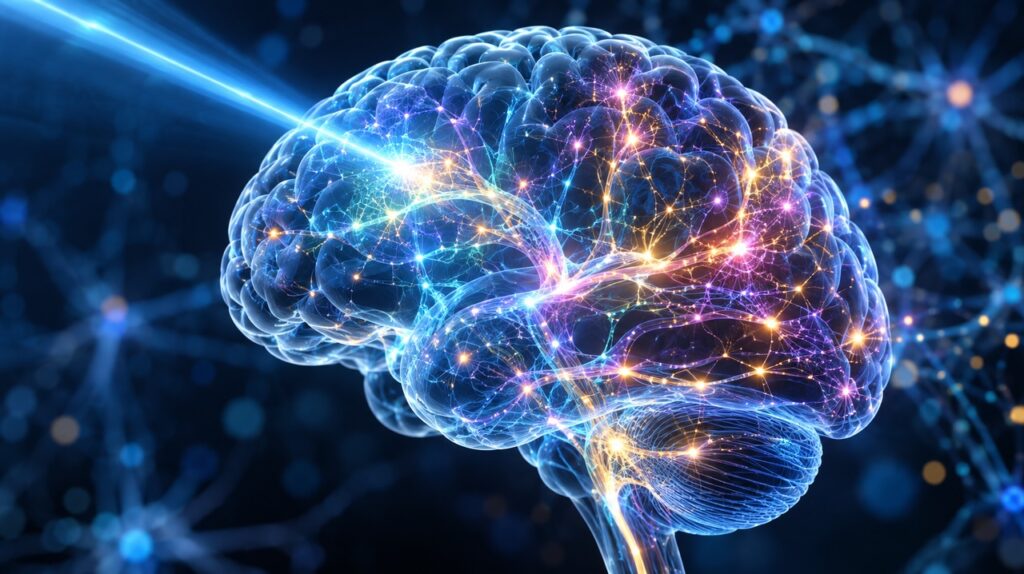
A Nobel Prize for optogenetics is drawing attention to a tool that lets researchers switch nerve cells on and off with light, helping them study brain circuits linked to dementia and other neurologic disease.