What Brain Training Can — and Can’t — Tell Us About Dementia Prevention

New WHO guidance says cognitive training may be offered as part of dementia-risk reduction, but the evidence is limited and it works best as one part of a broader brain-health strategy.
How Midlife Hormone Shifts Can Affect Heart, Bone, Brain and Metabolism

Menopause is a normal transition, but it can coincide with changes in cardiovascular risk, bone density, sleep, cognition and vaginal comfort. Here’s what the evidence shows and what is still being studied.
After retirement, keeping your brain engaged may matter as much as resting
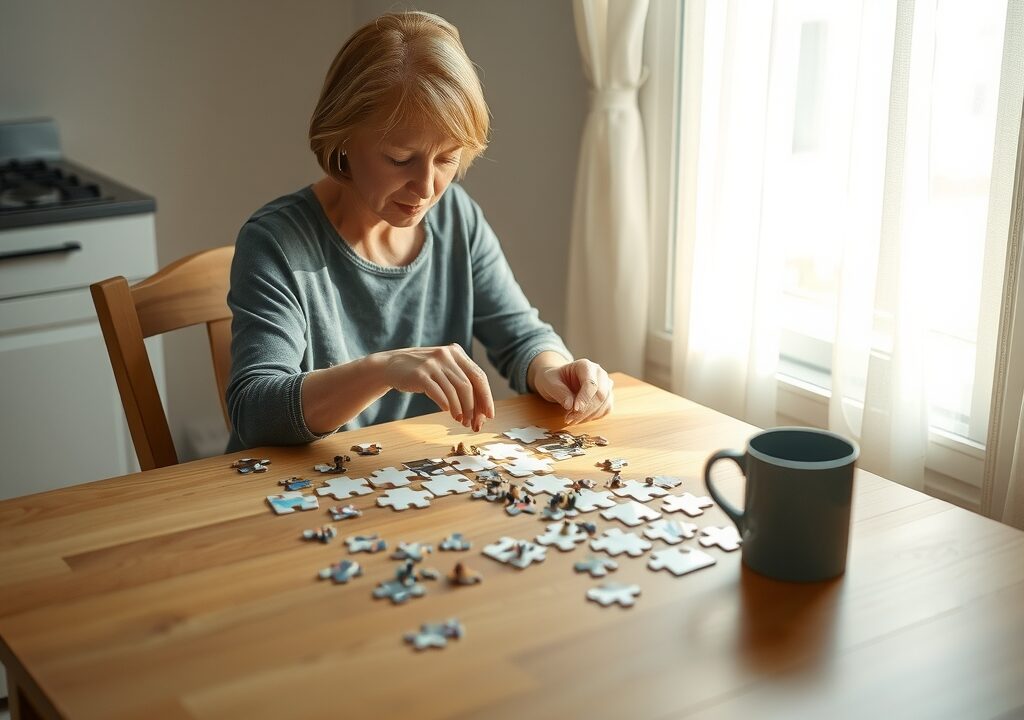
Retirement can bring more freedom, but it may also reduce the daily mental, social and physical activity that helps support brain health. Here’s what the evidence suggests.
Midlife health habits doctors say can pay off for years

A Washington Post health column on menopause and aging points to a few everyday habits that can support heart health, blood sugar, sleep and bone strength over time.
Why Bone Loss Accelerates Around Menopause—and What Helps

Bone loss often begins quietly during the menopausal transition. Here’s what the evidence says about screening, exercise, nutrition and treatment options.
Why Lower Education Can Raise Dementia Risk — and What Helps Later

Research links lower educational attainment with higher dementia risk, but the evidence points to a risk factor, not a fixed outcome. Brain health habits and life-long learning may help build resilience.
A Harlem Choir Turns Music Into Dementia Support

A new Harlem choir is bringing people living with dementia and their caregivers together for music, social connection, and a break from routine.
Trump order targets women’s health research, with menopause and aging in focus

A new White House order aims to expand federal attention to women’s health research. Here’s what it could mean, what science already shows, and what remains unclear.
When Heart Health and Intimacy Intersect: What Experts Say About Sexual Activity

AARP’s latest reader Q&A revisits a familiar worry: whether heart health can limit sexual activity. Medical guidance suggests the answer depends more on stability and symptoms than on age.
Physical Activity Linked to Slower Parkinson’s Decline in New Study

A new observational study suggests people with Parkinson’s disease who stayed more physically active had slower declines in movement and thinking skills, though the research does not prove exercise changed the disease course.