What Pope Leo XIV’s lung cancer update can teach readers about early detection

The Vatican says Pope Leo XIV’s lung cancer was localized and that no further treatment is planned after surgery. The case highlights how incidental findings, surgery, and follow-up shape lung cancer care.
When Cancer Drugs Run Short, Patients Feel the Gap

A Washington Post report describes how some U.S. cancer patients and clinicians are turning to overseas sources when key medicines run short. The broader pattern reflects a stubborn reality: shortages can delay treatment, force substitutions, and create new safety questions.
Facial Photos and Cancer Prognosis: What a New AI Study Suggests
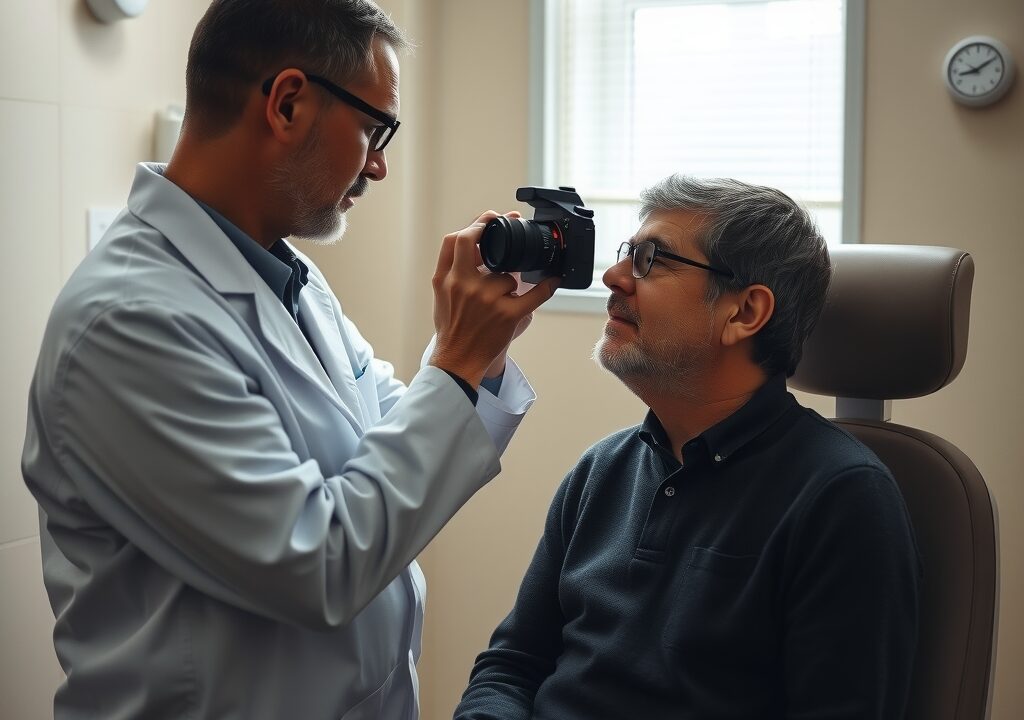
A new AI study suggests a facial photograph may help estimate cancer survival risk, but researchers say the approach is still early and should not be used alone to guide care.
Pulmonary Adenocarcinoma, Explained: What Readers Should Know

Pulmonary adenocarcinoma is the most common type of lung cancer in the United States. Here’s what the diagnosis means, how it’s found, and what’s still uncertain.
What to Know Before Choosing a Galleri Cancer Blood Test

A Washington Post health column explores the appeal of Galleri, a multi-cancer blood test. The evidence suggests promise, but major questions remain about benefits, harms, and who should consider it.
Why Breast Cancer Care Often Needs a More Individual Approach as People Age

Research and recent reporting point to a familiar but still unresolved problem in breast cancer care: one-size-fits-all screening and treatment can miss important differences in risk, tumor biology, and overall health.