Facial Photos and Cancer Prognosis: What a New AI Study Suggests
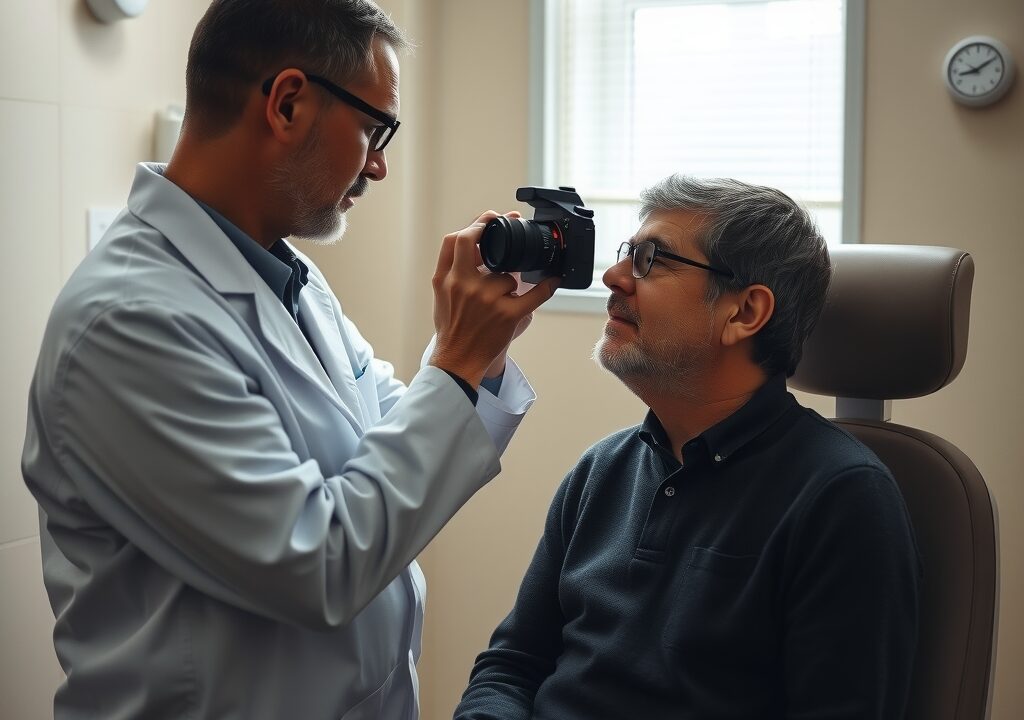
A new AI study suggests a facial photograph may help estimate cancer survival risk, but researchers say the approach is still early and should not be used alone to guide care.
How AI-Generated Information Can Distort Memory

New research suggests AI may not only spread misinformation but also shape what people later remember. Experts say the effect is real enough to warrant caution, though the evidence is still emerging.
A Chat Interface for Medical Devices Raises New Possibilities — and New Safety Questions
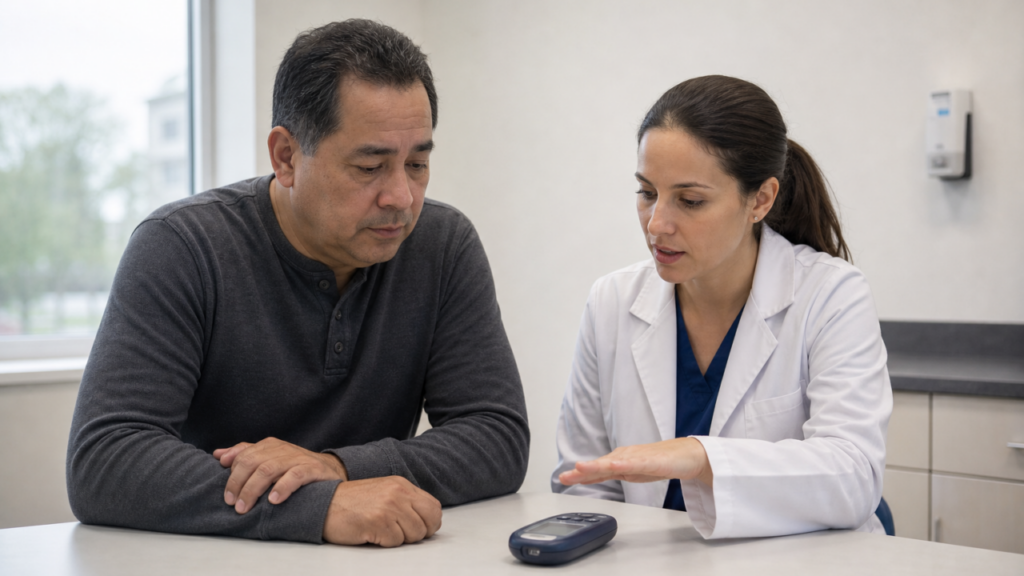
Researchers are testing an AI-powered platform that could let people exchange real-time messages with certain medical devices. The promise is faster feedback, but the safety and oversight questions are substantial.
AI Is Reshaping Breast Cancer Screening, but the Evidence Is Still Evolving

New imaging software is helping radiologists spot breast cancer risk and suspicious findings, but researchers say the benefits, limits, and best uses of AI are still being studied.
FDA maps out next wave of AI oversight for medical devices

The FDA’s new fiscal 2027 guidance list shows that artificial intelligence will remain a major focus, with planned documents on AI-enabled device software, generative AI, and related evidence standards.
Americans Worry AI Is Moving Faster Than Safeguards in Health Care

A new AP-NORC poll finds broad concern that artificial intelligence is advancing too quickly, a worry that carries special weight as AI tools expand in medicine and public health.
Breast Cancer Risk Tools Are Getting Closer to Patients — But the Evidence Still Matters

New AI-powered breast cancer risk tools are moving beyond the clinic and into patient-facing apps, but experts still urge caution about accuracy, equity, and how results should guide screening.