What Dementia Warning Signs Can Look Like in Everyday Life

An AARP explainer revisits early signs that can signal dementia or Alzheimer’s, while NIH sources stress that memory changes are not the only possible clue and that hearing problems can complicate recognition.
Why Lower Education Can Raise Dementia Risk — and What Helps Later

Research links lower educational attainment with higher dementia risk, but the evidence points to a risk factor, not a fixed outcome. Brain health habits and life-long learning may help build resilience.
Fish oil pills and brain health: what a new trial adds to the evidence

A new randomized trial found high-dose DHA changed a brain-fluid marker but did not improve cognition or brain structure over two years, adding to doubts about fish oil supplements for dementia prevention.
A Harlem Choir Turns Music Into Dementia Support

A new Harlem choir is bringing people living with dementia and their caregivers together for music, social connection, and a break from routine.
Ebola’s toll in Congo extends beyond infection
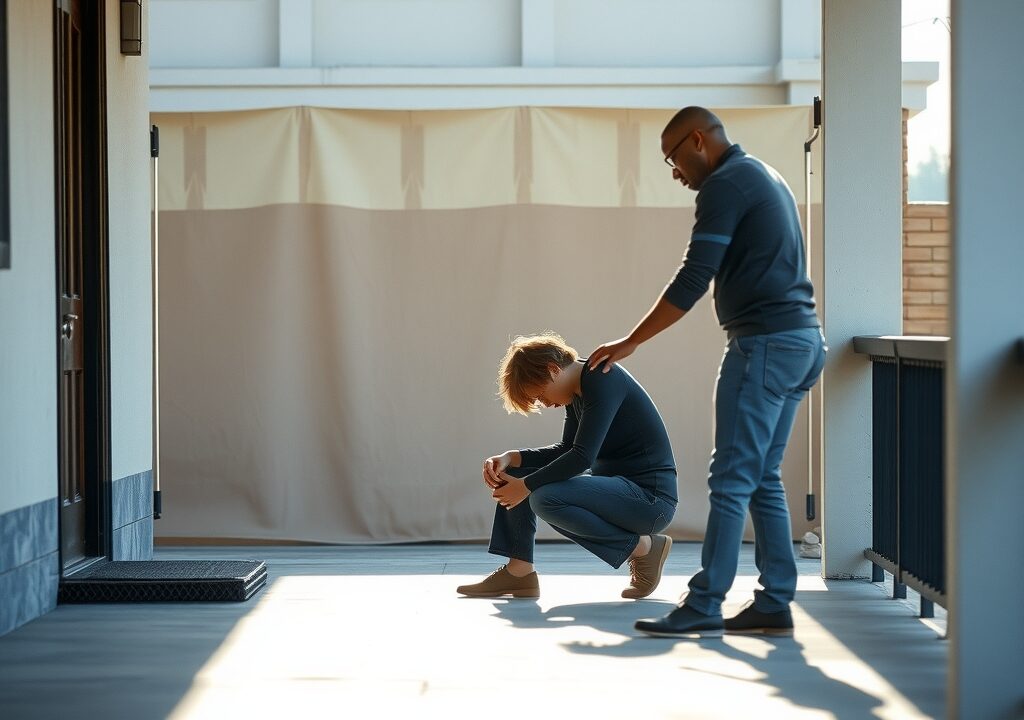
As Ebola continues to spread in eastern Congo, families are coping not only with loss and fear, but also with stigma, grief, and psychological distress that can outlast the outbreak.
New Research Sharpens the Link Between Dirty Air and Brain Health

Recent studies are adding detail to an old concern: long-term air pollution exposure may be tied not just to dementia risk, but to changes in the brain itself.
How AI-Generated Information Can Distort Memory

New research suggests AI may not only spread misinformation but also shape what people later remember. Experts say the effect is real enough to warrant caution, though the evidence is still emerging.
Simple brain-protection habits that can matter for years
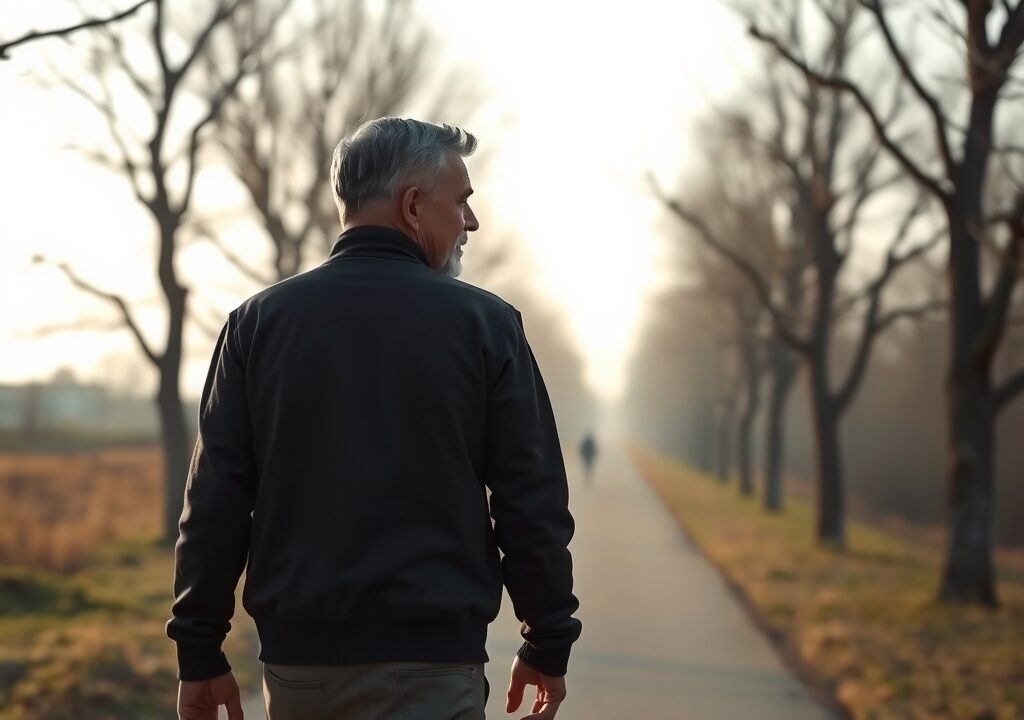
AARP highlights practical steps linked to long-term brain health, while CDC and heart experts say hearing, sleep and vascular risk factors all matter for cognitive aging.
Karl-Anthony Towns’ grief story spotlights mental health

Karl-Anthony Towns used World Mental Health Day to talk publicly about grief after his mother’s death, offering a reminder that mourning can affect daily life long after a loss.
Physical Activity Linked to Slower Parkinson’s Decline in New Study

A new observational study suggests people with Parkinson’s disease who stayed more physically active had slower declines in movement and thinking skills, though the research does not prove exercise changed the disease course.