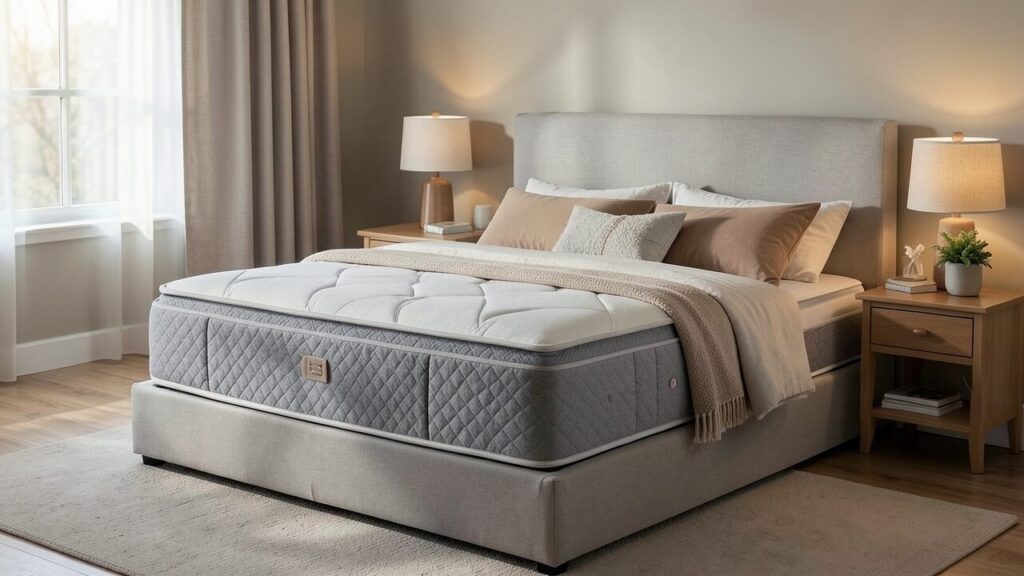
For many adults over 45, sleep problems do not start with a diagnosis — they start with a mattress that no longer feels supportive, a body that aches more by morning, or a shopping process that feels harder than it should. A new AARP survey of 300 adults ages 50 and older offers a snapshot of how older consumers think about sleep, comfort, and what it takes to buy a bed they hope will help them rest better. ([aarp.org](https://www.aarp.org/health/healthy-living/sleep-survey/?utm_source=openai))
The results are not a clinical study, but they do point to a practical reality: sleep gets more complicated with age, and the product choices meant to help can be confusing. That makes the AARP survey useful for readers who are trying to decide whether a new mattress is worth the expense — and for anyone who wants to separate marketing claims from what is actually known about sleep and aging. ([aarp.org](https://www.aarp.org/health/healthy-living/sleep-survey/?utm_source=openai))

What the AARP survey found
AARP’s Smart Picks team surveyed 300 adults ages 50 and older in October 2025, all of whom had bought a mattress in the previous three years. Nearly all respondents said they were happy with the purchase: 66% were very happy, 27% somewhat happy, 6% neutral, and only one person said they were somewhat disappointed. ([aarp.org](https://www.aarp.org/health/healthy-living/sleep-survey/?utm_source=openai))
But the buying process was not easy. About one-third of respondents said they were unsure which mattress was best, and another third said the number of options felt overwhelming. A further 20% said the hardest part was wanting to try mattresses in person but not finding a convenient place to do so. Most people said they researched by reading online reviews or testing beds in stores; 20% asked friends or family, and 2% did no research. ([aarp.org](https://www.aarp.org/health/healthy-living/sleep-survey/?utm_source=openai))
Why were they shopping in the first place? Nearly half said their old mattress was no longer comfortable. Another 13% were trying to improve poor sleep, and about 10% were hoping a new mattress would help with pain. Comfort also outranked cost: 80% chose overall comfort as one of the main qualities they wanted, while firmness and price followed close behind. ([aarp.org](https://www.aarp.org/health/healthy-living/sleep-survey/?utm_source=openai))
The survey also suggests that buyers should not assume a higher price guarantees better satisfaction. About 65% of respondents spent $1,500 or less, and satisfaction was similar among those who spent less and those who spent more than $2,000. ([aarp.org](https://www.aarp.org/health/healthy-living/sleep-survey/?utm_source=openai))
Why it matters after 45
Sleep often changes with age. The National Institute on Aging says older adults generally need the same amount of sleep as younger adults — seven to nine hours a night — but tend to sleep more lightly, wake more often, and go to bed and get up earlier. The NIA also says insomnia is the most common sleep problem in adults age 60 and older. ([nia.nih.gov](https://www.nia.nih.gov/health/sleep/sleep-and-older-adults?utm_source=openai))
That does not mean poor sleep is simply “normal aging.” Rather, the chances of sleep disruption rise because of pain, medications, health conditions, anxiety, depression, circadian rhythm shifts, and sleep disorders such as insomnia or sleep apnea. In other words, a mattress may be part of the story, but it is usually not the whole story. ([nia.nih.gov](https://www.nia.nih.gov/health/sleep/sleep-and-older-adults?utm_source=openai))
That distinction matters for adults in midlife and beyond because sleep problems can affect daytime alertness, mood, and functioning. CDC materials also note that adults generally should aim for at least seven hours of sleep per night. ([stacks.cdc.gov](https://stacks.cdc.gov/view/cdc/252438/cdc_252438_DS1.pdf?utm_source=openai))
What the evidence actually shows
The AARP survey is a consumer survey, not a randomized trial. It can describe how shoppers felt after buying a mattress, but it cannot prove that a specific mattress type, firmness level, or price point caused better sleep or less pain. The survey’s strongest takeaway is more modest: many older adults believe a new mattress can help, especially with comfort-related pain, and most say they are satisfied once they make a choice. ([aarp.org](https://www.aarp.org/health/healthy-living/sleep-survey/?utm_source=openai))
That idea lines up with broader sleep guidance from NIH. For chronic insomnia, the standard first-line treatment in adults is cognitive behavioral therapy for insomnia, or CBT-I, not a mattress purchase. NIH says CBT-I can help people fall asleep faster and stay asleep longer, and it is usually recommended before sleep medicines for long-term insomnia. PubMed-reviewed literature in older adults also supports CBT-I as an effective, generally safe option. ([health.nih.gov](https://health.nih.gov/health-topics-a-z/insomnia?utm_source=openai))
That does not make bedding irrelevant. AARP’s survey found that many respondents chose comfort, firmness, and price as key shopping priorities, and some reported relief after switching mattresses. For people with a worn-out bed, pressure points, or pain that worsens overnight, a better-supporting sleep surface may improve comfort. But that is different from saying a mattress can treat insomnia, apnea, arthritis, or back pain on its own. ([aarp.org](https://www.aarp.org/health/healthy-living/sleep-survey/?utm_source=openai))
What remains uncertain
The survey reflects one group of shoppers, and it is relatively small. It also captures self-reported impressions, which can be influenced by expectations, trial periods, return policies, or the simple relief of finally replacing an old mattress. Those factors matter, but they are not the same as medical proof. ([aarp.org](https://www.aarp.org/health/healthy-living/sleep-survey/?utm_source=openai))
There is also no one mattress that works best for everyone over 50. AARP’s findings suggest older adults value comfort and support, but those words mean different things for different bodies. Someone with shoulder pain, for example, may prefer a different feel than someone with low-back stiffness or hot flashes. That is one reason the shopping process often feels confusing: the right fit is partly personal, not just technical. ([aarp.org](https://www.aarp.org/health/healthy-living/sleep-survey/?utm_source=openai))
Practical context for older adults
If sleep has become a regular problem, the most useful next step is not always a new mattress. The NIA recommends paying attention to patterns and discussing ongoing sleep trouble with a clinician. A sleep diary can help show whether the issue is trouble falling asleep, waking often, getting up too early, or feeling unrefreshed despite enough time in bed. ([nia.nih.gov](https://www.nia.nih.gov/health/sleep/sleep-and-older-adults?utm_source=openai))
It is also important to mention symptoms that may point to a sleep disorder rather than ordinary discomfort. Loud snoring, pauses in breathing, persistent daytime sleepiness, restless legs, or insomnia lasting more than three months deserve medical attention. If you have severe shortness of breath at night, chest pain, or a sudden major change in sleep with confusion or marked weakness, seek urgent care. ([nia.nih.gov](https://www.nia.nih.gov/health/sleep/sleep-and-older-adults?utm_source=openai))
For readers considering a mattress upgrade, the survey suggests a few grounded takeaways: prioritize comfort and support, pay attention to return policies and trial periods, and remember that a higher price tag does not automatically mean better satisfaction. Most importantly, if pain or poor sleep keeps happening even after a new bed, that is a sign to look for a medical cause rather than keep shopping. ([aarp.org](https://www.aarp.org/health/healthy-living/sleep-survey/?utm_source=openai))
In midlife and later, sleep can be improved in many ways — but the best solution depends on what is driving the problem. A mattress may be part of the answer. It is rarely the whole answer. ([aarp.org](https://www.aarp.org/health/healthy-living/sleep-survey/?utm_source=openai))
Sources
- AARP: 5 Key Takeaways From Our Sleep Survey (2026-09-30)
- National Institute on Aging: Sleep and Older Adults (2026-09-22)
- NIH Health: Insomnia (2026-10-01)
- PubMed: Efficacy of cognitive behavioral therapy for insomnia (CBT-I) in older adults: A systematic review and meta-analysis (2022-08-01)
- CDC: About Sleep (2024-01-01)

